Cancer’s a tough battle, and while modern medicine’s come a long way, lots of folks want extra help feeling good. At Nirmal Ayurved & Panchkarm Clinic, we mix old-school Ayurveda with today’s cancer treatments to give you a boost – strengthening your body, balancing things out, and pumping up your immune system.
We’re experienced Ayurvedic Doctors for Cancer Treatment, and we’re here to guide you with a care plan that’s all about you.
Understanding Ayurvedic Approaches to Cancer Care
Ayurveda’s a healing system that’s been around forever. It sees sickness as your body’s energies being out of whack. It thinks cancer pops up when things are off for a while, leading to toxins and a weak immune system. Instead of just dealing with symptoms, Ayurveda tries to get everything back in sync, making you stronger and helping your body heal itself.
At Nirmal Ayurved & Panchkarm Clinic, our team of qualified Ayurvedic Doctors for Cancer Treatment uses this fundamental approach to design individualized treatment plans that complement conventional cancer therapies.
We Check You Out and Make a Plan Just for You
To start, we figure out your body type and what’s not quite right. We talk, check your pulse, and look at how you live. This helps us create a treatment that fits you perfectly. It’s not a one-size-fits-all thing. That’s why people trust us when they want the Best Ayurvedic clinic in Delhi for taking good care of cancer.
Working Together With Your Regular Doctors
A big deal in Ayurvedic cancer care is making your immune system stronger. We use herbs, change what you eat, and give you lifestyle tips to do this. It’s all about making you tougher, cleaning out the bad stuff, and balancing things out so you can handle cancer better.
Ayurveda Helps Your Immune System
A big deal in Ayurvedic cancer care is making your immune system stronger. We use herbs, change what you eat, and give you lifestyle tips to do this. It’s all about making you tougher, cleaning out the bad stuff, and balancing things out so you can handle cancer better.
Cleaning and Refreshing With Panchakarma
Getting rid of toxins is key in Ayurveda and can really help with cancer. Panchakarma therapies – like massages with special oils and steam – help you get rid of the bad stuff, feel balanced, and get your energy back.
We have Panchakarma programs that are made to help you heal. It’s not just about your body; it also chills you out and clears your head.
What You Eat and How You Live Matters
A special food plan based on Ayurveda is super important for dealing with cancer. We’ll tell you what to eat to nourish your body, fight swelling, and help you digest – all important for your immune system. Add in some lifestyle changes like routines, stress relief, and easy exercise, and you’ve got a plan for feeling better for the long haul.
Taking Care of Your Mind and Feelings
Cancer messes with your head and heart too. Ayurveda cares about your body, mind, and spirit, so our treatments do too. We’ll talk, teach you to relax, and give you support to keep you positive and strong.
This comprehensive care model sets us apart as a preferred destination when searching for Ayurvedic Doctors for Cancer Treatment and the Best Ayurvedic clinic in Delhi for holistic care.
Why Pick Us for Cancer Support?
At Nirmal Ayurved & Panchkarm Clinic, we’re all about caring and using solid info to back up our Ayurvedic cancer support. We work closely with you to make a plan that helps you heal on every level.
Whether you need help during treatment or just want to feel better, we’re here to help. We’re one of the most trusted Ayurvedic cancer support places around.
Conclusion
Ayurveda, when used with your regular cancer plan, can really help you feel good. By helping your immune system, cleaning you out, feeding you well, and keeping you balanced emotionally, we help you fight cancer with strength.
If you want caring support, choosing experienced Ayurvedic Doctors for Cancer Treatment like us can make a big difference. Stop by to learn more and start feeling better today!
Neurological disorders can majorly impact the quality of life, affecting everything from movement to cognition and sensation. Conditions such as Parkinson’s disease, Alzheimer’s, multiple sclerosis, migraines, epilepsy, and neuropathy can leave individuals feeling incapacitated. While conventional treatments focus primarily on managing symptoms, Ayurveda, an ancient system of an overall healing, provides a natural and customized approach to addressing the root causes of neurological imbalances.
Ayurveda considers the body, mind, and spirit as interconnected, and hence, healing requires an overall approach. With therapies, herbal medicines, and lifestyle modifications, Ayurvedic treatments work to restore balance and optimize nervous system function. In this blog, we’ll explore how Ayurvedic Treatment For Neurological Disorders provides a complete solution for managing these challenging conditions.
Understanding Neurological Disorders in Ayurveda
In Ayurveda, the nervous system is primarily governed by the Vata dosha, one of the three fundamental bodily energies. Vata is responsible for movement and communication in the body, including the transmission of nerve impulses. When there is an imbalance in Vata, neurological problems can arise.
Ayurveda believes in the concept of “Ama,” or toxins, which accumulate in the body due to poor diet, stress, and environmental factors. These toxins can block the channels of the nervous system (known as “srotas”) and disrupt its function, leading to neurological disorders. Thus, the core of Ayurvedic Treatment For Neurological Disordersinvolves detoxification, balancing Vata, and nourishing the nervous system.
Ayurvedic Treatments for Neurological Disorders
Panchakarma Therapy: Panchakarma is one of the most effective therapies for detoxifying the body and restoring balance. It involves five purification techniques, including Vamana (emesis), Virechana (purgation), Basti (medicated enema), Nasya (nasal medication), and Raktamokshana (bloodletting). For managing neurological disorders, Basti and Nasya are particularly beneficial. Basti cleanses the colon and removes Vata imbalances, while Nasya helps in clearing the sinuses and increasing brain function.
Abhyanga (Oil Massage): Warm medicated oils are used to massage the body, particularly the head and spine. This not only relaxes the nervous system but also nourishes the tissues, improving nerve function. Abhyanga is an important part of Ayurvedic Pain Management Treatmentas it helps relieve pain associated with neurological disorders like neuropathy and sciatica.
Shirodhara: In this soothing therapy, warm medicated oil is poured over the forehead in a continuous stream. Shirodhara calms the mind and helps reduce stress, anxiety, and insomnia, which are common in neurological conditions. It also strengthens the nervous system, improving cognitive function.
Herbal Remedies: Ayurveda uses a variety of herbs that are known to improve nervous system function. Some of the most effective herbs include Brahmi, Ashwagandha, Shankhapushpi, and Jatamansi. These herbs rejuvenate the nerves, improve memory, increase the brain function, and balance Vata dosha. Incorporating these herbal remedies is a core part of Ayurvedic Treatment For Neurological Disorders.
Dietary Changes: According to Ayurveda, food is medicine. A Vata-pacifying diet is recommended to manage neurological disorders. This includes warm, moist, and easily digestible foods that calm Vata. Ghee (clarified butter), which is rich in essential fats, is particularly beneficial for nourishing the nervous system. Avoiding dry, cold, and processed foods is important for restoring balance.
Yoga and Pranayama: Specific yoga postures (asanas) and breathing exercises (pranayama) are highly effective in managing neurological conditions. Yoga helps strengthen the nervous system, improve flexibility, and relieve stress. Pranayama techniques like Anulom Vilom (alternate nostril breathing) help balance Vata dosha and increase oxygen flow to the brain, promoting calmness and mental clarity.
Ayurvedic Treatment for Gynecology Problems and Neurological Disorders
Ayurveda does not only focus on one aspect of health; it considers the whole body as a system of interrelated parts. Often, women with neurological disorders also experience gynecological problems due to hormonal imbalances, stress, or other underlying causes. Ayurvedic Treatment For Gynecology Problems is designed to address these issues by balancing the doshas, particularly Vata, which can affect both the nervous system and the reproductive system.
Herbs like Ashoka, Lodhra, and Shatavari are commonly used inAyurvedic Treatment For Gynecology Problemsto balance hormones and improve reproductive health. These treatments are often combined with therapies like Basti (enema therapy) and Virechana (purgation) to detoxify the body and remove any blocks that might be affecting the reproductive and nervous systems carefully.
By treating the root cause of gynecological and neurological issues, Ayurveda provides a comprehensive approach to women’s health, increasing the overall well-being.
Ayurvedic Pain Management Treatment for Neurological Disorders
Many neurological disorders are accompanied by chronic pain, such as neuropathic pain, migraines, or musculoskeletal discomfort. In Ayurveda, managing pain is not just about symptom relief but about addressing the underlying imbalance that causes pain. Ayurvedic Pain Management Treatment involves a combination of therapies such as:
Marma Therapy: This is a form of acupressure that focuses on stimulating specific points in the body to relieve pain and improve energy flow.
Kati Basti: A localized oil treatment used to relieve pain in the lower back, which is beneficial for sciatica and other forms of neuropathy.
Herbal Supplements: Herbs like Shallaki (Boswellia) and Guggulu are used in Ayurvedic Pain Management Treatment for their anti-inflammatory and pain-relieving properties.
Nadi Sweda (Herbal Steam Therapy): This is a sweating treatment used to relieve muscle stiffness and joint pain that often accompanies neurological disorders.
Combining these treatments not only alleviates pain but also improves mobility and quality of life for those suffering from chronic neurological conditions.
Holistic Lifestyle for Neurological Health
In addition to therapies and herbal treatments, Ayurveda emphasizes lifestyle changes for managing neurological disorders. These include:
Proper Sleep: Ayurveda regards sleep as an imporatnt for maintaining a healthy nervous system. Following a consistent sleep schedule, using calming herbs like Jatamansi, and practicing nighttime rituals can improve sleep quality, which is crucial for neurological health.
Stress Management: Stress is one of the leading causes of Vata imbalances. Meditation, pranayama, and mindfulness practices are highly effective in reducing stress and promoting mental calmness.
Regular Exercise: Gentle exercises like walking, stretching, and yoga help maintain the health of the nervous system and improve circulation, which is important for preventing the degeneration of nerves.
Conclusion
Ayurveda provides a unique and complete approach to managing neurological disorders by focusing on the root causes rather than just treating the symptoms. Through personalized therapies, herbal remedies, dietary adjustments, and lifestyle changes, Ayurvedic Treatment For Neurological Disorders not only helps in relieving symptoms but also in restoring balance and promoting overall well-being.
Moreover, Ayurvedic therapies like Panchakarma, herbal supplements, and specific treatments for both neurological and gynecological conditions ensure that the body is treated as an overall entity. The integration of Ayurvedic Treatment For Gynecology Problems with neurological care highlights Ayurveda’s approach to addressing interconnected systems within the body.
Lastly, for those suffering from chronic pain, Ayurvedic Pain Management Treatment provides effective, natural, and long-lasting relief, focusing on the root imbalance rather than just masking the pain. By embracing Ayurveda, individuals with neurological disorders can achieve a better quality of life and long-term wellness.
When it comes for searching an overall healing, Ayurveda stands out as a time-honored system of medicine that focuses on balancing the mind, body, and spirit. Whether you’re considering Ayurvedic Treatment For Neurological Disorders, Panchakarma Treatment In Delhi, or Ayurvedic Treatment For Gynecology Problems, the first step is often an initial consultation. This meeting allows you to understand how Ayurveda can best serve your needs. To make the most of your consultation, here are ten essential questions to ask.
1. What is Ayurveda, and how does it differ from other medical systems?
Understanding the basics of Ayurveda is important. Unlike Western medicine, which often focuses on treating symptoms, Ayurveda emphasizes prevention and treating the root cause of ailments. During your consultation, ask the practitioner to explain how Ayurvedic Treatment For Neurological Disordersspecifically addresses the underlying imbalances in your body.
2. What is my dosha, and how does it affect my health?
In Ayurveda, each individual has a unique constitution, or dosha, which can be Vata, Pitta, or Kapha. Knowing your dosha helps in understanding your body’s tendencies toward certain health issues. This is particularly important when considering Ayurvedic Treatment For Gynecology Problems, as hormonal balance often relates to your dosha.
3. How can Ayurvedic treatments help with my specific health issues?
During your consultation, make sure to discuss your specific health concerns, whether they relate to neurological disorders, gynecology, or any other issue. Ask the practitioner how Ayurvedic Treatment For Neurological Disorders can be according to your individual needs, including specific herbs, dietary changes, and lifestyle recommendations.
4. What lifestyle changes should I consider?
Lifestyle plays a important role in Ayurvedic healing. Your practitioner may suggest dietary adjustments, exercise regimens, and daily routines according to your dosha and health issues. If you’re considering Panchakarma Treatment In Delhi, ask how this detoxification process can be complemented with lifestyle changes for real results.
5. What dietary recommendations do you have for me?
Food is medicine in Ayurveda. Your consultation should include a discussion about the types of food that can benefit your dosha and specific health conditions. For example, if you’re looking for Ayurvedic Treatment For Gynecology Problems, certain foods may be recommended to help balance hormones and improve reproductive health.
6. How do you determine the right treatments for my condition?
Every Ayurvedic treatment is customized based on a complete assessment of your health history, lifestyle, and constitution. Ask the practitioner how they arrive at the best treatment plan for you. Understanding the approach to Ayurvedic Treatment For Neurological Disorders will provide insight into the potential therapies that may be recommended.
7. What should I expect during Panchakarma treatment?
If you are considering Panchakarma Treatment In Delhi, it’s vital to ask about the specific procedures involved. Panchakarma is a series of detoxifying treatments aimed at cleansing the body of toxins. Inquire about what each step entails, how long the process will take, and what kind of results you can expect.
8. Are there any risks or side effects associated with Ayurvedic treatments?
While Ayurveda is generally safe, it’s crucial to understand any potential risks or side effects of the treatments you may undergo. Ask your practitioner to inform you about any adverse reactions related to herbs, treatments, or dietary changes, particularly concerning Ayurvedic Treatment For Neurological Disorders.
9. How long will it take to see results?
Everyone’s healing journey is unique, and the timeline for experiencing the benefits of Ayurvedic treatment can vary. Ask your practitioner how long they typically see results for the conditions you’re addressing, including Ayurvedic Treatment For Gynecology Problems or Panchakarma Treatment In Delhi. This will help set realistic expectations.
10. How can I maintain my health after treatment?
Ayurveda is all about long-term wellness. Your consultation should conclude with a discussion on how to maintain the benefits of your treatments. Inquire about follow-up consultations, ongoing dietary guidelines, and lifestyle practices that will support your health, especially in the context of Ayurvedic Treatment For Neurological Disorders and Ayurvedic Treatment For Gynecology Problems.
Conclusion
Preparing for an Ayurvedic consultation involves thoughtful consideration and planning. By asking these needed questions, you can gain a deeper understanding of how Ayurveda works and how it can specifically benefit you. Whether you are searching for an Ayurvedic Treatment For Neurological Disorders, exploring Panchakarma Treatment In Delhi, or looking for effective solutions for Ayurvedic Treatment For Gynecology Problems, being informed and prepared will help you maximize your healing experience.
The journey towards wellness in Ayurveda is collaborative; understanding your body and mind’s needs is key. Remember to keep an open dialogue with your practitioner, allowing them to guide you on your path to balance and health. Embrace the wisdom of Ayurveda and take the first step towards holistic healing today!
Based in the heart of Delhi, our Ayurvedic Clinic in Delhi specializes in treating a huge range of health conditions, with a particular focus on skin disorders and gynecological problems.
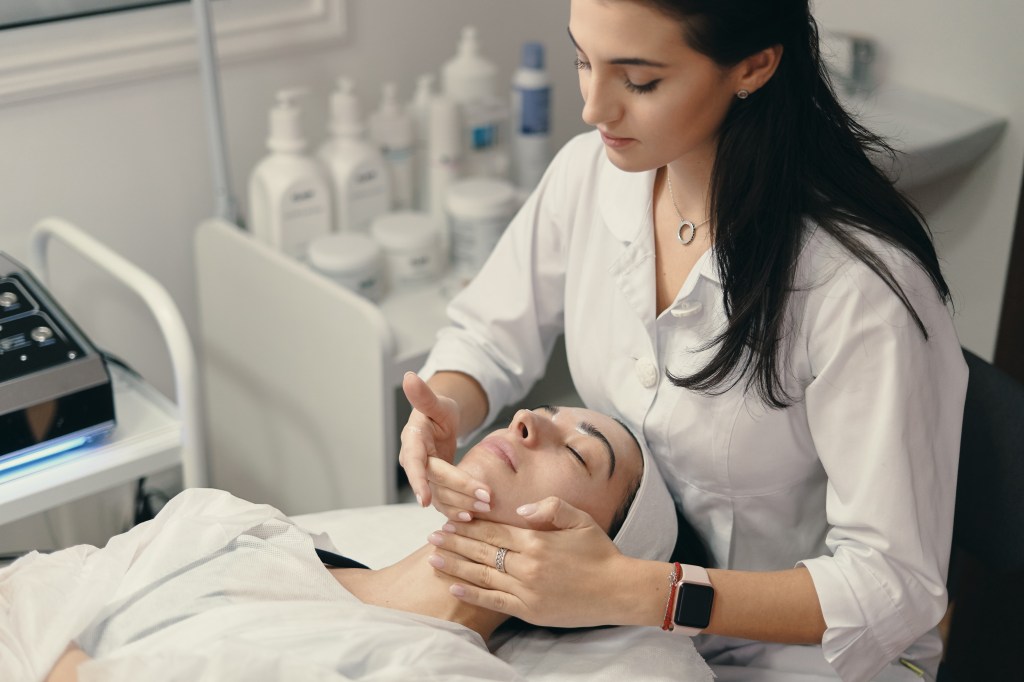
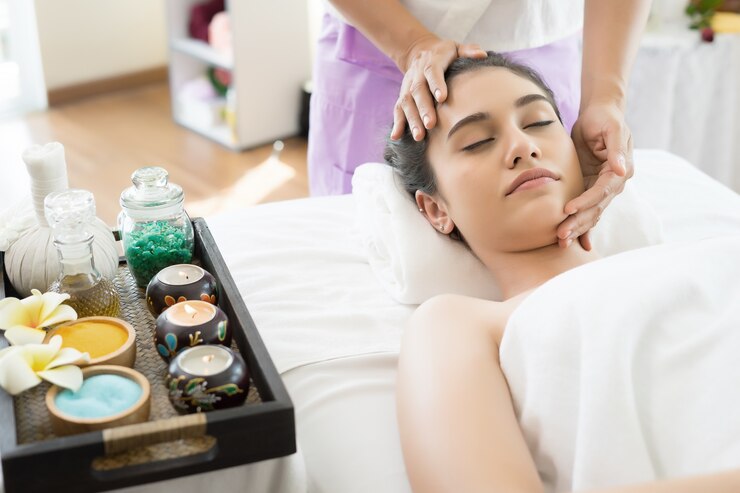
Beauty, spa and cosmetology concept. Young woman lies with closed eyes, cosmetologist making procedure for facial skin rejuvenation, facial massage.
Introduction to Ayurveda
Ayurveda, which means the “science of life,” is a holistic system of medicine that aims to balance the body’s three primary energies, or doshas: Vata, Pitta, and Kapha. These doshas govern our physical, mental, and emotional well-being, and any imbalance can lead to disease. Through a combination of herbal remedies, dietary guidance, and lifestyle changes, Ayurveda aims to restore this balance, helping individuals achieve optimal health.
At Nirmal Ayurved, we are dedicated to providing customized treatments that serves to each individual’s unique constitution, focusing not just on symptom relief, but on treating the root cause of the illness.
Ayurvedic Treatment for Skin Disorders
Skin disorders, whether it’s acne, eczema, psoriasis, or dermatitis, can affect a person’s confidence and overall quality of life. Conventional treatments often only address the symptoms, but at our Ayurvedic Clinic in Delhi, we take an overall approach to healing the skin from within.
The skin is often a reflection of what is happening internally. According to Ayurveda, most skin disorders are a result of imbalances in the Pitta dosha, which governs heat and metabolism in the body. When Pitta is aggravated, it can lead to inflammation, redness, and breakouts on the skin. Our Ayurvedic Treatment for Skin Disordersfocuses on pacifying Pitta, detoxifying the body, and nourishing the skin with natural herbs and oils.
Some common therapies we provide for Ayurvedic Treatment for Skin Disorders include:
Herbal Supplements: We use a variety of potent herbs like Neem, Turmeric, and Manjistha to cleanse the blood and detoxify the liver, which are important in treating skin conditions.
Dietary Adjustments: A Pitta-pacifying diet is recommended, which includes cooling, anti-inflammatory foods like cucumbers, leafy greens, and coconut water.
Topical Applications: Herbal pastes and oils, such as sandalwood and aloe vera, are applied to soothe the skin and reduce inflammation.
Panchakarma Therapy: This detoxification process helps to eliminate toxins (Ama) from the body, which are often responsible for chronic skin conditions. Panchakarma is highly effective for patients who are searching Ayurvedic Treatment for Skin Disorders.
Our Ayurvedic Clinic in Delhi provides complete care that is not just limited to the external symptoms but also focuses on internal health, making sure that your skin glows from within.
Ayurvedic Treatment for Gynecology Problems
Women’s health is another area where Ayurveda shines. From menstrual irregularities to hormonal imbalances and fertility issues, our Ayurvedic Treatment for Gynecology Problems provides the natural, safe, and effective solutions without the side effects commonly associated with conventional medicines.
Many gynecological issues arise due to imbalances in the Vata and Pitta doshas. Excess Vata can cause problems like irregular menstruation, painful periods, and infertility, while aggravated Pitta can lead to heavy bleeding, inflammation, and infections.
At Nirmal Ayurved, our expert team provides customized Ayurvedic Treatment for Gynecology Problems, focusing on restoring balance to the reproductive system. Some of the common issues we address include:
Menstrual Disorders: Ayurveda views menstrual health as a key indicator of a woman’s overall health. For women suffering from irregular periods, heavy bleeding, or painful menstruation, we recommend herbs like Ashoka and Shatavari, which help balance hormones and regulate the menstrual cycle. Our Ayurvedic Clinic in Delhi also provides customized diet plans to support hormonal balance.
PCOS and PCOD: Polycystic Ovary Syndrome (PCOS) and Polycystic Ovary Disease (PCOD) are common hormonal disorders that affect many women today. Our Ayurvedic Treatment for Gynecology Problems includes the use of herbs like Punarnava and Guggulu to reduce cysts and regulate hormone levels, along with detoxification therapies to improve metabolism and reproductive health.
Infertility Issues: Ayurveda provides a natural approach to improving fertility. By focusing on the health of the reproductive tissues (Shukra Dhatu) and balancing the doshas, we help couples struggling with infertility. Personalized herbal formulations and therapies such as Abhyanga (oil massage) and Basti (enemas) are used to enhance reproductive health.
Menopause: For women going through menopause, Ayurveda provides natural remedies to ease symptoms such as hot flashes, night sweats, and mood swings. By pacifying Vata and Pitta doshas, our treatments provide relief and improve overall well-being.
With our extensive knowledge and experience, the Ayurvedic Treatment for Gynecology Problems at Nirmal Ayurved addresses not just the symptoms but also the underlying causes, making sure that the long-term relief and improved reproductive health.
Why Choose Nirmal Ayurved?
Nirmal Ayurved is a trusted Ayurvedic Clinic in Delhi that has been serving the community for many years. We feels proud on ourselves on providing the authentic Ayurvedic treatments that are rooted in tradition but adapted to suit the modern lifestyle. Here are some reasons why patients trust us with their health:
Personalized Care: Every individual is unique, and so are their health concerns. We provide customized treatment plans that take into account each person’s dosha type, medical history, and current symptoms.
Natural and Safe Remedies: All our treatments use natural, plant-based ingredients that are free from harmful chemicals. This makes sure that patients receive safe, side-effect-free care.
Experienced Practitioners: Our team of Ayurvedic doctors and therapists are highly trained and experienced in providing both preventive and curative care. They work closely with patients to make sure that they achieve their health goals.
Comprehensive Wellness Approach: At Nirmal Ayurved, we don’t just treat diseases – we help people lead healthier, more balanced lives. Whether it’s through diet, herbal medicines, yoga, or meditation, we provide an overall solutions to improve overall well-being.
Conclusion
Whether you are dealing with a persistent skin condition or a complex gynecological issue, Ayurveda provides a safe and effective path to healing. At Nirmal Ayurved, our Ayurvedic Clinic in Delhi is dedicated to helping you to achieve the real health through personalized treatments that are natural and overall. Our expertise in Ayurvedic Treatment for Skin Disorders and Ayurvedic Treatment for Gynecology Problems has transformed the lives of many, and we are here to help you experience the healing power of Ayurveda too.
Take the first step towards better health today by visiting Nirmal Ayurved, the trusted Ayurvedic Clinic in Delhi, and let nature’s wisdom guide you to a balanced, vibrant life.
At Nirmal Ayurved, we are dedicated to providing the natural and an overall healthcare solutions, deeply rooted in the old traditions of Ayurveda. With a rich heritage of treating different ailments and improving overall wellness, we have established ourselves as the Best Ayurvedic Clinic in Delhi. Our primary focus is to help patients achieve a harmonious balance between their mind, body, and spirit using time-tested Ayurvedic therapies. In between of the many health conditions we treat, Ayurvedic Treatment For Neurological Disorders and Ayurvedic Treatment For Gynecology Problems are our specialized areas of expertise.
Why Choose Ayurveda?
Ayurveda is an old Indian medical system that has been practiced for over 5,000 years. It focuses on promoting health by balancing the body’s energies (doshas) – Vata, Pitta, and Kapha. Each individual’s constitution is unique, and Ayurveda tailors treatments to these personal imbalances. Unlike conventional medicine, which may treat symptoms in isolation, Ayurveda addresses the root cause of health issues, providing the long-term healing and wellness.
At Nirmal Ayurved, our dedicated team of practitioners make sure that every patient receives customized care that aligns with their body constitution. This philosophy has positioned us as the Best Ayurvedic Clinic in Delhi, where we provide complete treatment options for a variety of ailments.
Ayurvedic Treatment for Neurological Disorders
Neurological disorders can be deeply challenging, affecting movement, sensation, and cognitive function. Modern medicine often resorts to invasive treatments or lifelong medications to manage these disorders. However, Ayurvedic Treatment For Neurological Disorders gives you a more natural approach, focusing on restoring balance to the nervous system through herbal therapies, dietary changes, and specialized Panchakarma treatments.
Common Neurological Disorders Treated at Nirmal Ayurved:
Parkinson’s Disease: Characterized by tremors, stiffness, and slowed movement, Parkinson’s Disease can be managed effectively with Ayurvedic therapies. Herbs such as Ashwagandha and Brahmi are known to strengthen the nervous system and promote mobility.
Epilepsy: Known as ‘Apasmara’ in Ayurveda, epilepsy can be treated with a combination of herbs like Jatamansi and Vacha, along with therapies such as Shirodhara, which help calm the brain and reduce seizure frequency.
Stroke (Paralysis): Post-stroke rehabilitation in Ayurveda focuses on improving motor function and reducing muscle stiffness through Abhyanga (therapeutic massage) with medicated oils, along with internal medications.
Migraine and Chronic Headaches: Ayurvedic therapies, including Nasya (nasal administration of oils) and Shirovasti, are highly effective in managing migraines and chronic headaches by soothing the nervous system and balancing the Pitta dosha.
At the Best Ayurvedic Clinic in Delhi, we believe that Ayurvedic Treatment For Neurological Disordersis not just about managing symptoms but about rejuvenating and strengthening the nervous system, providing the patients a more fulfilling and improved quality of life.
Ayurvedic Treatment for Gynecology Problems
Women’s health issues, especially related to gynecology, can majorly impact their well-being and quality of life. Conditions such as menstrual irregularities, infertility, and menopausal symptoms are often treated with hormonal therapies in conventional medicine, which may carry long-term side effects. At Nirmal Ayurved, we provides the safe and effective Ayurvedic Treatment For Gynecology Problems, addressing the root cause of the imbalance.
Common Gynecological Issues Treated with Ayurveda:
Menstrual Irregularities (PCOS/PCOD): Polycystic Ovarian Syndrome (PCOS) is a prevalent condition that leads to hormonal imbalances, irregular periods, and infertility. Ayurvedic treatment involves the use of herbs such as Shatavari and Ashoka, which regulate hormones, restore regular menstrual cycles, and enhance fertility.
Infertility: Infertility is often the result of underlying imbalances in the reproductive system. Ayurveda focuses on cleansing the reproductive organs through Panchakarma treatments like Uttar Basti, which detoxifies and strengthens the reproductive system, increasing the chances of conception.
Menopause: The transition to menopause can be difficult for many women, with symptoms like hot flashes, mood swings, and fatigue. Ayurveda recommends balancing the Pitta and Vata doshas during this period with cooling herbs such as Aloe Vera and Brahmi, along with regular Abhyanga massages.
Leucorrhea (White Discharge): Leucorrhea, a common gynecological issue, is addressed in Ayurveda by regulating the Kapha dosha and promoting internal cleansing with herbal decoctions and therapies such as Virechana (purgation).
Our clinic has helped countless women regain control over their reproductive health through effective Ayurvedic Treatment For Gynecology Problems. These treatments not only address the immediate symptoms but also help restore overall health, preventing future complications. As the Best Ayurvedic Clinic in Delhi, we provide an overall care according to the specific needs of every woman.
The Nirmal Ayurved Approach: Panchakarma and Herbal Medicine
One of the distinguishing features of the Ayurvedic treatments at Nirmal Ayurved is our use of Panchakarma – a detoxification and rejuvenation therapy that cleanses the body of toxins and restores its natural balance. Panchakarma is especially effective for both Ayurvedic Treatment For Neurological Disorders and Ayurvedic Treatment For Gynecology Problems, as it helps in resetting the body’s natural functioning.
For neurological conditions, Panchakarma therapies such as Vasti (enema with medicated oils) and Nasya help in clearing blockages in the nervous system, improving cognitive and motor function. Similarly, for gynecological problems, therapies like Uttar Basti and Virechana aid in cleansing the reproductive system and balancing hormones.
Herbal medicines are another foundation of our treatment process. Herbs like Ashwagandha, Brahmi, and Shatavari, when used in the right combinations, can have a profound impact on both neurological and gynecological health. These herbs not only alleviate symptoms but also nourish and recreate the body at a deep level.
Why Nirmal Ayurved is the Best Ayurvedic Clinic in Delhi
Nirmal Ayurved stands out as the Best Ayurvedic Clinic in Delhi because of our dedication to patient-centered care. Here are a few reasons why we are a trusted name in the field of Ayurveda:
Experienced Practitioners: Our team of highly qualified Ayurvedic doctors and therapists ensures that every patient receives customized treatment based on their unique constitution and health condition.
Holistic Treatments: We emphasize an overall healing, making sure that the treatments address the root cause of the problem rather than just managing the symptoms. Whether it’s Ayurvedic Treatment For Neurological Disorders or Ayurvedic Treatment For Gynecology Problems, we use a complete approach that includes diet, lifestyle, herbal medicines, and Panchakarma therapies.
Customized Care: No two patients are the same. Our treatments are customized based on the individual’s dosha balance, medical history, and lifestyle, making sure effective and maintainable results.
Natural and Safe Remedies: We believe in the power of nature to heal. All our treatments are based on natural herbs, oils, and therapies, which are free from harmful chemicals and side effects.
State-of-the-Art Facilities: Our clinic is equipped with modern amenities to ensure that patients have a comfortable and relaxing experience. From dedicated Panchakarma rooms to consultation spaces, everything is designed to provide a tranquil healing environment.
Conclusion
Nirmal Ayurved is your trusted partner for an overall healing. Whether you are searching for an Ayurvedic Treatment For Neurological Disorders or Ayurvedic Treatment For Gynecology Problems, we are here to guide you on your journey toward better health. As the Best Ayurvedic Clinic in Delhi, our mission is to provide natural, effective, and maintainable treatments that address the root cause of health issues, helping you achieve long-lasting wellness and vitality.
Welcome to Nirmal Ayurved, a retreat of an overall healing that blends the old wisdom of Ayurveda with modern therapeutic techniques. In a world growing by fast-growing lifestyles and quick fixes, it has become more important than ever to return to the roots of well-being, where mind, body, and spirit are healed as a whole. If you’re searching for the Best Ayurvedic Clinic in Delhi, your search ends here. Nirmal Ayurved stands as a light of hope for those who are searching for the authentic and effective Ayurvedic treatments, with special expertise in Panchakarma Treatment in Delhi.
Why Choose Nirmal Ayurved?
Nirmal Ayurved has earned its reputation as a leading Ayurvedic Clinic in Delhi by providing treatments rooted in the timeless principles of Ayurveda. With a focus on individualized care, our treatments are designed not just to relieve symptoms but to address the root cause of illness. Whether you’re suffering from chronic ailments, looking for detoxification through Panchakarma Treatment in Delhi, or aiming to increase your overall well-being, our experienced Ayurvedic doctors and therapists are here to help.
Our clinic provides a peaceful and healing environment, making it easier for you to experience the rejuvenating effects of Ayurvedic treatments. From the moment you step into our clinic, you will be surrounded by positive energy, which plays a crucial role in the healing process.
Core Values and Principles at Nirmal Ayurved
Holistic Healing: At Nirmal Ayurved, we believe in treating the body as a whole. Each treatment plan is tailored to an individual’s specific body constitution (Prakriti) and imbalances (Vikriti). Our goal is not only to cure diseases but to prevent them from occurring in the first place.
Authentic Treatments: We strictly follow the classical Ayurvedic texts to provides treatments that are pure, natural, and free from harmful chemicals. Our therapies, including Panchakarma Treatment in Delhi, are performed with the highest level of care and precision.
Personalized Approach: Every individual is unique, and so are their health requirements. At Nirmal Ayurved, we provide customized treatment plans that serves to your specific health needs. Whether you’re searching or the relief from stress, detoxification, or dealing with chronic health conditions, our approach is designed specifically for you.
Experienced Team: Our clinic is home to some of the best Ayurvedic practitioners and therapists who are skilled in different Ayurvedic therapies, especially Panchakarma Treatment in Delhi. With years of experience, they makes sure that every treatment is both effective and safe.
What is Panchakarma, and Why is it Important?
One of the specialties of our clinic is Panchakarma Treatment in Delhi. Panchakarma is a detoxification process aimed at cleansing the body of accumulated toxins (Ama) that are responsible for many diseases. It is a comlete treatment designed to balance the three doshas (Vata, Pitta, and Kapha) in the body and restore overall health and vitality.
Panchakarma involves five distinct cleansing therapies that work together to purify the body:
Vamana (Therapeutic Emesis): This process involves inducing vomiting to remove excess Kapha dosha, primarily from the respiratory and gastrointestinal systems. It is beneficial for conditions like asthma, allergies, and skin disorders.
Virechana (Therapeutic Purgation): Virechana is a controlled process of cleansing the intestines using herbal laxatives to eliminate excess Pitta dosha. It is highly effective in treating skin diseases, liver disorders, and digestive issues.
Basti (Medicated Enema): Basti is one of the most powerful treatments in Panchakarma Treatment in Delhi. It helps to balance Vata dosha by introducing medicated oils or herbal decoctions into the rectum. This therapy is highly beneficial for arthritis, constipation, back pain, and nervous disorders.
Nasya (Nasal Administration of Herbs): This therapy involves the administration of herbal oils or powders through the nostrils, cleansing the nasal passages and head region. It is excellent for treating sinusitis, migraines, and neurological issues.
Raktamokshana (Bloodletting): Raktamokshana is the process of removing impure blood from the body. This therapy is effective for treating various skin conditions, high blood pressure, and other Pitta-related disorders.
The combination of these therapies not only cleanses the body but also restart the tissues, improves metabolism, increases immunity, and brings mental clarity. If you’re looking for a complete detox, our Panchakarma Treatment in Delhi is the ultimate solution.
Digestive Disorders: Whether it’s acidity, irritable bowel syndrome, or chronic constipation, Ayurveda provides long-term relief by restoring digestive fire (Agni) and balancing the doshas.
Skin Conditions: Conditions like psoriasis, eczema, and acne are treated using herbal remedies and detoxification procedures like Panchakarma Treatment in Delhi. These treatments purify the blood and balance the skin’s natural oils.
Joint and Muscle Pain: For those suffering from arthritis, rheumatism, or general muscle pain, we offer treatments like Basti (medicated enema) and Pizhichil (oil therapy), which reduce inflammation and strengthen joints.
Stress and Mental Health: Ayurveda’s holistic approach includes meditation, herbal remedies, and therapies to manage stress, anxiety, depression, and insomnia. Panchakarma Treatment in Delhi also plays a crucial role in detoxifying the mind.
Weight Management: Ayurveda emphasizes balancing the body’s metabolic processes to achieve and maintain an ideal weight. We offer therapies and dietary plans to promote healthy weight loss and detoxification.
Respiratory Disorders: Conditions like asthma, bronchitis, and allergies are treated using herbal remedies, steam therapies, and detoxification procedures.
Women’s Health: Menstrual irregularities, infertility, and menopause-related issues are managed using Ayurvedic treatments that harmonize the female reproductive system.
The Role of Diet and Lifestyle in Ayurveda
At Nirmal Ayurved, we emphasize not just treatments but also the importance of diet (Aahar) and lifestyle (Vihar) in achieving holistic health. Our experts will guide you through customized dietary plans that align with your dosha type. A well-balanced Ayurvedic diet helps in maintaining harmony between the body and mind, boosting immunity, and improving digestion.
We also offer lifestyle consultations to help you incorporate Ayurvedic principles into your daily routine. Practices like yoga, pranayama (breathing exercises), and meditation are highly recommended to maintain mental and emotional well-being.
Experience the Best Ayurvedic Clinic in Delhi
What sets Nirmal Ayurved apart from other clinics is our dedication to providing authentic Ayurvedic treatments in their purest form. Our Ayurvedic Clinic in Delhihas been serving individuals from all walks of life, providing solutions that are natural, safe, and maintainable.
Our Panchakarma Treatment in Delhi has been particularly effective in transforming lives, providing deep detoxification and rebirth. The process works wonders for individuals dealing with stress, fatigue, chronic pain, and other long-standing health issues. It’s not just a treatment; it’s a lifestyle transformation.
Book Your Appointment Today!
If you’re looking for natural, effective, and long-lasting solutions to your health concerns, Nirmal Ayurved is here for you. Visit the Best Ayurvedic Clinic in Delhi today and experience the benefits of Ayurveda. Whether it’s Panchakarma Treatment in Delhi or customized Ayurvedic consultations, we make sure that your health is our priority.
Take the first step towards better health by booking your appointment today. Reclaim your health and well-being through the ancient wisdom of Ayurveda at Nirmal Ayurved, the Best Ayurvedic Clinic in Delhi.
Ayurveda, the old Indian system of medicine, gives you a profound and an overall approach to health and well-being. At Nirmal Ayurved, we believe in the power of Ayurveda to restore balance and harmony within the body, mind, and spirit. In this blog, we will go deep into the remarkable benefits of Panchakarma Treatment In Delhi, explore the efficacy of Ayurvedic Treatment For Neurological Disorders, and uncover how Ayurveda can effectively manage Ayurvedic Treatment For Autoimmune Disorders.
Understanding Panchakarma: The Detoxification Therapy
Panchakarma Treatment In Delhi is one of the most sought-after Ayurvedic therapies, revered for its ability to detoxify the body and rejuvenate the mind. Derived from the Sanskrit words “Pancha” (five) and “Karma” (actions), Panchakarma comprises five therapeutic procedures designed to cleanse the body of accumulated toxins (Ama) and restore the natural balance of the doshas—Vata, Pitta, and Kapha.
The Five Purification Techniques
Vamana (Emesis Therapy): This involves the therapeutic vomiting process to eliminate toxins from the upper digestive tract, particularly Kapha-related toxins.
Virechana (Purgation Therapy): Virechana focuses on cleansing the liver and intestines through induced purgation, primarily to balance the Pitta dosha.
Basti (Enema Therapy): Basti is one of the most effective therapies in Ayurveda, involving the administration of medicated oils or decoctions through the rectum. It is particularly beneficial for balancing the Vata dosha.
Nasya (Nasal Administration): Nasya involves the administration of medicated oils or powders through the nostrils, effectively cleansing the head and neck region.
Raktamokshana (Bloodletting): This therapy is used to purify the blood and is particularly beneficial for treating conditions such as skin disorders, abscesses, and localized infections.
Benefits of Panchakarma
Panchakarma Treatment In Delhi gives you the many benefits, making it a cornerstone of Ayurvedic healing:
Detoxification: The primary aim of Panchakarma is to eliminate toxins from the body, promoting overall health and vitality.
Rejuvenation: Post-detoxification, the body experiences a rejuvenating effect, leading to enhanced energy levels, better immunity, and improved skin health.
Stress Relief: Panchakarma therapies have a calming effect on the nervous system, reducing stress, anxiety, and depression.
Disease Prevention: By balancing the doshas and eliminating toxins, Panchakarma helps in the prevention of chronic diseases.
Weight Management: Panchakarma can aid in weight loss by enhancing metabolism and reducing fat accumulation.
Choosing Panchakarma Treatment In Delhi
If you’re searching for the Panchakarma Treatment In Delhi, Nirmal Ayurved gives you a range of customized Panchakarma programs according to your unique constitution and health needs. Our expert Ayurvedic practitioners makes sure that each step of the treatment is carried out with precision, providing you with a deeply transformative healing experience.
Ayurvedic Treatment for Neurological Disorders
Neurological disorders, such as Parkinson’s disease, epilepsy, and multiple sclerosis, can severely impact the quality of life. However, Ayurveda provides a natural and holistic approach to managing these conditions. Ayurvedic Treatment For Neurological Disorders focuses on balancing the doshas, particularly Vata, which is primarily responsible for the nervous system’s functioning.
Ayurvedic Perspective on Neurological Disorders
In Ayurveda, neurological disorders are often attributed to an imbalance in the Vata dosha. When Vata is aggravated, it can lead to a disruption in the nervous system’s normal functioning, resulting in various neurological symptoms.
Key Ayurvedic Therapies
Abhyanga (Oil Massage): Abhyanga with medicated oils helps to calm the Vata dosha, nourishing the nervous system and improving circulation.
Shirodhara (Oil Dripping Therapy): Shirodhara involves the continuous pouring of warm oil over the forehead, which soothes the mind and helps alleviate anxiety, insomnia, and other neurological issues.
Panchakarma: As mentioned earlier, Panchakarma Treatment In Delhi is highly effective in detoxifying the body and restoring doshic balance, making it beneficial for neurological disorders.
Herbal Medications: Ayurvedic herbs such as Brahmi, Ashwagandha, and Shankhapushpi are known for their neuroprotective properties and are commonly used in Ayurvedic Treatment For Neurological Disorders.
Diet and Lifestyle Modifications: A Vata-pacifying diet, rich in warm, cooked foods, along with regular yoga and meditation, can significantly improve neurological health.
Benefits of Ayurvedic Treatment for Neurological Disorders
Improved Nerve Function: Ayurvedic treatments help in restoring normal nerve function and reducing symptoms like tremors, rigidity, and cognitive decline.
Natural and Safe: Unlike conventional treatments that may have side effects, Ayurvedic Treatment For Neurological Disorders uses natural herbs and therapies that are safe and effective.
Holistic Approach: Ayurveda treats the root cause of the disorder, rather than just alleviating the symptoms, leading to long-term relief.
Autoimmune disorders, where the body’s immune system attacks its own tissues, are becoming increasingly common. Conditions like rheumatoid arthritis, lupus, and psoriasis fall under this category. Ayurveda provides a unique and effective approach to managing autoimmune disorders through natural therapies and lifestyle modifications. Ayurvedic Treatment For Autoimmune Disorders focuses on strengthening the immune system, detoxifying the body, and restoring balance.
Ayurvedic Understanding of Autoimmune Disorders
In Ayurveda, autoimmune disorders are seen as a result of aggravated doshas and toxins (Ama) in the body, which lead to an impaired immune system. The treatment approach involves detoxifying the body, balancing the doshas, and restart the immune system.
Key Ayurvedic Therapies
Panchakarma:Panchakarma Treatment In Delhi is highly recommended for detoxifying the body and removing the accumulated Ama, which is often the root cause of autoimmune disorders.
Rasayana Therapy (Rejuvenation Therapy): Rasayana therapies are aimed at rejuvenating the body’s tissues and boosting the immune system.
Herbal Remedies: Ayurvedic herbs such as Turmeric, Guduchi, and Ashwagandha are known for their immune-modulating properties and are commonly used in Ayurvedic Treatment For Autoimmune Disorders.
Dietary Modifications: A diet that balances the doshas and reduces inflammation is crucial in managing autoimmune disorders. This includes consuming warm, cooked foods, avoiding processed foods, and incorporating anti-inflammatory spices.
Yoga and Meditation: Regular practice of yoga and meditation helps in reducing stress, which is a significant trigger for autoimmune flare-ups.
Benefits of Ayurvedic Treatment for Autoimmune Disorders
Reduced Symptoms: Ayurvedic treatments help in reducing inflammation, pain, and other symptoms associated with autoimmune disorders.
Enhanced Immunity: By detoxifying the body and balancing the doshas, Ayurvedic Treatment For Autoimmune Disorders strengthens the immune system, preventing further attacks on the body’s tissues.
Holistic Healing: Ayurveda treats the body, mind, and spirit, ensuring comprehensive healing and improved quality of life.
At Nirmal Ayurved, we gives you the specialized Ayurvedic Treatment For Autoimmune Disorders, according to your unique constitution and health condition. Our approach makes sure that you receive the most effective and natural treatment for your autoimmune condition.
Conclusion
Ayurveda gives you a timeless and effective approach to healing, with therapies like Panchakarma Treatment In Delhi and specialized treatments for neurological and autoimmune disorders. At Nirmal Ayurved, our dedication is to provide an overall and customized care that addresses the root cause of your health concerns. Whether you’re searching detoxification, relief from a neurological disorder, or management of an autoimmune condition, our expert Ayurvedic practitioners are here to guide you on your journey to real health and well-being.
By embracing Ayurveda, you’re not just treating symptoms—you’re embarking on a path to complete and maintained wellness. Trust Nirmal Ayurved for your Ayurvedic Treatment For Neurological Disorders and Ayurvedic Treatment For Autoimmune Disorders. Your body, mind, and spirit will thank you.
Ayurveda, the old Indian system of medicine, provides a time-tested approach to an overall health and well-being. At Nirmal Ayurved, we are dedicated to bringing the old of Ayurveda into modern life, providing the treatments that address the root causes of different health issues rather than merely alleviating symptoms. Whether you are struggling with metabolic disorders, gynecological problems, or chronic pain, Ayurveda provides a natural and effective pathway to healing. In this blog, we will go deep into how Ayurvedic Treatment For Metabolic Disorders, Ayurvedic Treatment For Gynecology Problems, and Ayurvedic Pain Management Treatment can transform your health and well-being.
Understanding Metabolic Disorders
Metabolic disorders are a group of conditions that occur due to the body’s inability to properly process certain nutrients or substances. These disorders can lead to many health issues, including obesity, diabetes, and thyroid problems. The conventional medical approach often focuses on managing symptoms through medication, which can lead to side effects and long-term dependency. However, Ayurvedic Treatment For Metabolic Disorders provides an overall alternative that not only addresses the symptoms but also targets the root causes.
Ayurvedic Treatment For Metabolic Disorders
Ayurvedic Treatment For Metabolic Disorders is centered around the concept of balancing the body’s doshas (Vata, Pitta, and Kapha). According to Ayurveda, metabolic disorders often arise from an imbalance in the Kapha dosha, which governs the body’s structure and stability. Excess Kapha can lead to weight gain, sluggish digestion, and accumulation of toxins (ama) in the body.
At Nirmal Ayurved, our approach to Ayurvedic Treatment For Metabolic Disorders involves a combination of dietary recommendations, herbal remedies, detoxification therapies, and lifestyle modifications. We tailor our treatments to each individual, taking into account their unique constitution (Prakriti) and the specific imbalances present.
One of the key components of Ayurvedic Treatment For Metabolic Disorders is the use of herbal formulations that stimulate metabolism and enhance digestion. Herbs such as Triphala, Guggul, and Trikatu are commonly used to cleanse the digestive system, reduce excess Kapha, and promote healthy metabolic function. Additionally, practices like Panchakarma (Ayurvedic detoxification therapy) are employed to eliminate toxins from the body, further supporting metabolic health.
Diet plays an important role in Ayurvedic Treatment For Metabolic Disorders. We recommend a Kapha-pacifying diet that includes light, warm, and easy-to-digest foods. Spices such as ginger, black pepper, and cinnamon are encouraged to enhance digestion and metabolic fire (Agni). Regular exercise, yoga, and pranayama (breathing exercises) are also integral to maintaining a healthy metabolism and preventing the recurrence of metabolic disorders.
Ayurvedic Treatment For Gynecology Problems
Gynecological problems such as menstrual irregularities, PCOS, infertility, and menopausal symptoms are common concerns that affect many women. These issues often stem from hormonal imbalances, stress, and lifestyle factors. While conventional treatments may provide temporary relief, they often do not address the underlying causes of these conditions. Ayurvedic Treatment For Gynecology Problems offers a natural and complete approach to restoring hormonal balance and supporting women’s health.
Ayurvedic Treatment For Gynecology Problems focuses on balancing the body’s hormones and strengthening the reproductive system. Ayurveda views the female reproductive system as being governed by the Apana Vata, a sub-dosha of Vata that regulates downward energy flow. Imbalances in Apana Vata can lead to various gynecological issues, including menstrual cramps, irregular periods, and infertility.
At Nirmal Ayurved, our Ayurvedic Treatment For Gynecology Problemsincludes customized therapies that aim to balance the doshas, cleanse the body of toxins, and nourish the reproductive tissues (Shukra dhatu). Herbal formulations such as Ashoka, Shatavari, and Lodhra are commonly used to regulate menstrual cycles, reduce inflammation, and support fertility. These herbs have been used for centuries in Ayurveda to promote women’s health and address specific gynecological issues.
Diet and lifestyle modifications are also integral to Ayurvedic Treatment For Gynecology Problems We recommend a diet that supports hormonal balance, including foods that are rich in phytoestrogens, antioxidants, and essential fatty acids. Practices such as Abhyanga (Ayurvedic oil massage) and Basti (medicated enema) are often incorporated to balance Vata and support reproductive health. Additionally, yoga and meditation are encouraged to reduce stress and promote overall well-being, which are crucial for managing gynecological issues.
Ayurvedic Treatment For Gynecology Problems also addresses the emotional and psychological aspects of women’s health. Ayurveda recognizes that stress, anxiety, and emotional imbalances can significantly impact the reproductive system. Therefore, our treatments often include stress-relieving therapies such as Shirodhara (oil pouring on the forehead) and Nasya (nasal administration of medicated oils), which help calm the mind and balance the nervous system.
Ayurvedic Pain Management Treatment
Chronic pain is a debilitating condition that affects millions of people worldwide. Whether it’s joint pain, back pain, or headaches, living with chronic pain can majorly reduce the quality of life. While conventional treatments often rely on painkillers and anti-inflammatory drugs, these can have side effects and do not offer a long-term solution. Ayurvedic Pain Management Treatment provides a natural and an overall approach to pain relief by addressing the underlying causes of pain and promoting healing from within.
Ayurvedic Pain Management Treatment is based on the principle of balancing the doshas, particularly Vata, which is responsible for movement and sensation in the body. When Vata is aggravated, it can lead to pain, stiffness, and inflammation. The goal of Ayurvedic treatment is to pacify Vata and restore balance to the body.
At Nirmal Ayurved, we gives you a range of therapies for Ayurvedic Pain Management Treatment. One of the most effective treatments is Panchakarma, a detoxification therapy that helps remove toxins from the body and rejuvenate the tissues. This therapy not only alleviates pain but also promotes overall health and well-being.
Herbal remedies are also an essential component of Ayurvedic Pain Management Treatment. Herbs such as Ashwagandha, Shallaki, and Turmeric are known for their anti-inflammatory and pain-relieving properties. These herbs are used in various forms, including powders, tablets, and oils, to reduce pain and inflammation naturally.
In addition to herbal treatments, Ayurvedic Pain Management Treatmentincludes external therapies such as Abhyanga (therapeutic oil massage), Pizhichil (oil bath therapy), and Kati Basti (localized oil therapy for the lower back). These therapies help to relieve muscle tension, improve circulation, and promote the healing of tissues. Regular practice of these therapies can provide long-lasting relief from chronic pain.
Diet and lifestyle modifications are also imporatnt in Ayurvedic Pain Management Treatment. We recommend a diet that pacifies Vata, including warm, nourishing foods that are easy to digest. Regular exercise, yoga, and pranayama are encouraged to maintain flexibility, reduce stiffness, and enhance the body’s natural ability to heal.
Furthermore, Ayurvedic Pain Management Treatment recognizes the importance of mental and emotional well-being in managing pain. Stress, anxiety, and emotional disturbances can exacerbate pain, so we incorporate stress-relief techniques such as meditation, mindfulness, and breathing exercises into our treatment plans. These practices help calm the mind, reduce pain perception, and improve overall quality of life.
Conclusion
At Nirmal Ayurved, we believe in the power of Ayurveda to restore balance and harmony to the body, mind, and spirit. Whether you are dealing with metabolic disorders, gynecological issues, or chronic pain, our overall approach to healing gives you a natural and effective solution. Through Ayurvedic Treatment For Metabolic Disorders, Ayurvedic Treatment For Gynecology Problems, and Ayurvedic Pain Management Treatment, we address the root causes of health issues, providing long-lasting relief and promoting overall well-being.
Our customized treatments are designed to meet the unique needs of each individual, ensuring that you receive the care and attention necessary for your healing journey. We invite you to experience the transformative power of Ayurveda at Nirmal Ayurved and take the first step towards a healthier, happier life.
Ayurveda, the old Indian system of medicine, has been a light of hope for an overall health and wellness for centuries. With its focus on balancing the mind, body, and spirit, Ayurveda provides a unique approach to treating different health issues, including gynecological problems and chronic pain. At Nirmal Ayurved, we specialize in providing Ayurvedic Treatment For Gynecology Problems, giving women a natural and effective solution to maintain their reproductive health. In addition, our complete Ayurvedic Pain Management Treatment makes sure that our patients experience relief from chronic pain without the need for invasive procedures or pharmaceutical drugs. Located in the heart of the capital, our center is famoused for its Panchakarma Treatment In Delhi, a powerful cleanse process that refresh the body and restores overall health.
The Importance of Ayurvedic Treatment for Gynecology Problems
Gynecological health is an important feature of overall wellness for women. Unfortunately, many women suffer from different gynecological issues, such as irregular menstruation, PCOS, fibroids, endometriosis, and infertility. These conditions often lead to major discomfort, emotional stress, and long-term health consequences if not treated properly. Modern medicine typically provides symptomatic relief, but it often fails to address the root cause of the problem. This is where Ayurvedic Treatment For Gynecology Problemsshines, as it focuses on identifying and treating the underlying imbalances in the body.
At Nirmal Ayurved, we believe that every woman’s body is unique, and therefore, requires a customized approach to treatment. Our Ayurvedic practitioners carefully assess each patient’s dosha (body constitution) and the imbalances that are causing the gynecological issues. By using a combination of herbal remedies, dietary modifications, lifestyle changes, and therapeutic treatments, we aim to restore balance and promote natural healing.
One of the key benefits of Ayurvedic Treatment For Gynecology Problems is that it is entirely natural and free from side effects. The herbs and treatments used in Ayurveda have been time-tested for their efficacy in treating many gynecological issues. For instance, Shatavari, a potent Ayurvedic herb, is often recommended for women suffering from hormonal imbalances and infertility. Similarly, Ashoka tree bark is known for its effectiveness in regulating menstrual cycles and reducing excessive bleeding.
Furthermore, Ayurveda emphasizes the importance of mental and emotional well-being in maintaining gynecological health. Stress, anxiety, and emotional trauma can majorly impact a woman’s reproductive system. Ayurvedic treatments often include practices like meditation, yoga, and pranayama (breathing exercises) to help women manage stress and improve their mental health. This an overall approach not only treats the symptoms but also addresses the root cause of the problem, making sure that long-lasting relief and improved quality of life.
Ayurvedic Pain Management Treatment: A Natural Approach to Chronic Pain
Chronic pain is a wearing condition that affects millions of people worldwide. Whether it’s due to arthritis, fibromyalgia, migraines, or back pain, chronic pain can extremely impact a person’s quality of life. Unfortunately, conventional treatments often depend on painkillers and anti-inflammatory drugs, which can have major side effects and may lead to dependency. At Nirmal Ayurved, we provides a safer, natural alternative with our Ayurvedic Pain Management Treatment.
Ayurveda views pain as a manifestation of an imbalance in the body’s doshas, particularly Vata dosha, which governs movement and the nervous system. Our Ayurvedic Pain Management Treatment focuses on restoring balance to the doshas and promoting natural healing. This is achieved through a combination of herbal medicines, dietary changes, and specialized therapies like Abhyanga (oil massage), Swedana (herbal steam therapy), and Marma therapy (acupressure).
One of the most effective components of Ayurvedic Pain Management Treatment is the use of medicinal herbs. For example, Boswellia (Shallaki) and Guggul are well-known Ayurvedic herbs that have powerful anti-inflammatory properties and are used to treat joint pain and arthritis. Similarly, Ashwagandha is often recommended for its ability to reduce muscle tension and alleviate stress, which are common contributors to chronic pain.
In addition to herbal remedies, therapeutic treatments play an important role in our Ayurvedic Pain Management Treatment. Abhyanga, a full-body oil massage using warm, medicated oils, helps to improve circulation, reduce muscle stiffness, and calm the nervous system. This treatment is particularly beneficial for conditions like arthritis and fibromyalgia, where pain is often exacerbated by stiffness and poor circulation. Swedana, or herbal steam therapy, complements Abhyanga by helping to open the pores, allowing the medicated oils to penetrate deeper into the tissues, increasing their healing effects.
For those suffering from migraines or tension headaches, we gives you Shirodhara, a unique Ayurvedic therapy where warm oil is gently poured over the forehead. This treatment is incredibly effective in calming the mind, relieving stress, and reducing the frequency and intensity of headaches.
Panchakarma Treatment In Delhi: Detoxification and Rejuvenation
At Nirmal Ayurved, we are proud to gives Panchakarma Treatment In Delhi, a foundation of Ayurvedic medicine. Panchakarma is a powerful detoxification and restart the process that aims to eliminate toxins (ama) from the body, restore balance to the doshas, and refresh the mind, body, and spirit. This treatment is particularly beneficial for those suffering from chronic health conditions, including gynecological problems and chronic pain.
Panchakarma is a five-step process that includes Vamana (therapeutic vomiting), Virechana (purgation), Basti (medicated enemas), Nasya (nasal administration of herbs), and Raktamokshana (bloodletting). Each of these steps is designed to cleanse specific areas of the body and remove toxins that have accumulated due to poor diet, lifestyle choices, and environmental factors.
The benefits of Panchakarma Treatment In Delhi are profound and long-lasting. By removing toxins and restoring balance to the doshas, Panchakarma helps to improve digestion, boost immunity, and increase overall health. For women suffering from gynecological issues, Panchakarma can be particularly beneficial. The detoxification process helps to regulate hormones, improve menstrual health, and increase fertility. It also helps to reduce stress and anxiety, which are often linked to gynecological problems.
In the conditions of pain management, Panchakarma Treatment In Delhiis equally effective. By cleansing the body and restoring balance, Panchakarma helps to reduce inflammation, improve circulation, and promote the body’s natural healing processes. Many of our patients report have major improvements in their pain levels and overall quality of life after undergoing Panchakarma.
Conclusion
Nirmal Ayurved is dedicated to providing an overall and customized care to our patients. Our focus on Ayurvedic Treatment For Gynecology Problems makes sure that women receive the best possible care for their reproductive health, addressing the root causes of their conditions and promoting long-term wellness. Our Ayurvedic Pain Management Treatment gives you a natural and effective solution for those suffering from chronic pain, helping them to lead a pain-free life without the side effects associated with conventional treatments. Additionally, our Panchakarma Treatment In Delhi provides a powerful detoxification process that rejuvenates the body and mind, promoting overall health and well-being.
At Nirmal Ayurved, we believe in the power of Ayurveda to transform lives. Our team of experienced Ayurvedic practitioners is dedicated to helping our patients achieve optimal health through natural and holistic means. Whether you are struggling with gynecological issues, chronic pain, or simply seeking to improve your overall health, we invite you to experience the healing power of Ayurveda at Nirmal Ayurved. Your journey to health and wellness begins here.
When it comes to finding a reliable, effective, and traditional healing experience, Nirmal Ayurved stands out as a light of hope in Delhi. Nestled in the busy capital of India, this esteemed clinic has become synonymous with authentic Ayurvedic treatments that prioritize the overall well-being of its patients. Whether you’re searching for the relief from chronic conditions or aiming to maintain your health, Nirmal Ayurved provides an array of services that serves to your specific needs. In Between of its many Contribution, the clinic’s expertise in Panchakarma Treatment In Delhi is particularly noteworthy.
The Essence of Panchakarma Treatment
Panchakarma Treatment In Delhi is a base of Ayurvedic therapy, and Nirmal Ayurved has perfected this old practice. Panchakarma, which translates to “five actions,” is a method of detoxification and restart that cleanses the body of toxins. The treatment is designed to restore the balance of the body’s doshas—Vata, Pitta, and Kapha—thus promoting physical and mental well-being.
At Nirmal Ayurved, the Panchakarma Treatment In Delhi is customized to meet the unique constitution of each individual. The process typically begins with a thorough consultation where a detailed analysis of the patient’s physical, mental, and emotional state is conducted. This ensures that the treatment is accordingly specifically to address the root cause of the illness, rather than just alleviating symptoms.
The treatment involves a series of steps including Vamana (therapeutic vomiting), Virechana (purgation), Basti (enema therapy), Nasya (nasal administration), and Raktamokshana (bloodletting). These procedures are carried out under the supervision of skilled practitioners, making sure that both safety and efficacy. The result is a profound cleansing of the body and mind, leading to improved digestion, increase the immunity, and a heightened sense of vitality.
Why Nirmal Ayurved is the Best Ayurvedic Clinic In Delhi
Nirmal Ayurved is often hailed as the Best Ayurvedic Clinic In Delhi, and for good reason. The clinic combines traditional Ayurvedic practices with modern diagnostics to provides treatments that are both effective and safe. The practitioners at Nirmal Ayurved are well-versed in the ancient texts of Ayurveda and apply this knowledge in a manner that is related to contemporary health challenges.
One of the key factors that make Nirmal Ayurved the Best Ayurvedic Clinic In Delhi is its commitment to customized care. Unlike conventional medical practices that often take a one-size-fits-all approach, Ayurveda recognizes that each individual is unique. Therefore, treatments are customized to the specific needs of the patient, taking into account their constitution, lifestyle, and environment. This customized approach not only leads to better outcomes but also makes sure that patients feel seen and heard.
Moreover, the clinic boasts modern facilities that are designed to increase the healing experience. From serene treatment rooms to the use of high-quality, organic herbs, every side of Nirmal Ayurved is geared towards creating an environment that supports healing on all levels. The clinic also provides a range of wellness programs, including yoga and meditation, that complement the Ayurvedic treatments and promote overall well-being.
Comprehensive Ayurvedic Treatments for Modern Ailments
In today’s fast-going world, many people suffer from lifestyle-related disorders such as diabetes, obesity, and high blood pressure. These conditions, often referred to as metabolic disorders, are increasingly widespread and can lead to serious health complications if not managed properly. Nirmal Ayurved provides specialized Ayurvedic Treatment For Metabolic Disorders that address the root cause of these conditions.
Ayurvedic Treatment For Metabolic Disorders at Nirmal Ayurved is centered around balancing the body’s doshas and improving digestion, which is considered the cornerstone of good health in Ayurveda. The treatment includes a combination of dietary changes, herbal remedies, and Panchakarma therapies that help to detoxify the body and restore metabolic balance.
One of the unique side’s of Ayurvedic Treatment For Metabolic Disorders at Nirmal Ayurved is the emphasis on lifestyle modification. Patients are educated about the importance of a balanced diet, regular exercise, and stress management in maintaining metabolic health. The clinic also provides ongoing support and guidance to help patients make lasting changes that can majorly improve their quality of life.
The Role of Diet and Nutrition in Ayurvedic Healing
Diet and nutrition play a pivotal role in Ayurvedic healing, and this is something that Nirmal Ayurved takes very seriously. The clinic provides customized dietary plans that are designed to support the treatment process and inhance the body’s natural healing abilities.
In Ayurveda, food is considered medicine, and what we eat can either support or hinder our health. At Nirmal Ayurved, patients are guided to eat according to their dosha type, makig sure that their diet is in harmony with their body’s needs. This not only aids in the treatment of specific illness but also helps in maintaining overall health and preventing disease.
The dietary recommendations at Nirmal Ayurved are based on the principles of Ayurveda, which advocate for the consumption of fresh, organic, and experienced foods. Processed foods, which are often laden with chemicals and preservatives, are discouraged as they can lead to the accumulation of toxins in the body. Instead, the focus is on whole foods that are rich in nutrients and easy to digest.
An Overall Wellness Programs
Nirmal Ayurved provides a variety of wellness programs that complement its Ayurvedic treatments. These programs are designed to promote physical, mental, and spiritual well-being and include yoga, meditation, and stress management techniques. The clinic’s holistic approach makes sure that all side’s of the individual are addressed, leading to a more complete and lasting healing experience.
Yoga and meditation are fundamental parts of the Ayurvedic tradition and are highly effective in reducing stress, improving mental clarity, and inceasing overall well-being. Nirmal Ayurved provides customized yoga sessions that are acording to the needs and abilities of each individual. These sessions help to strengthen the body, calm the mind, and promote a sense of inner peace.
The clinic also provides stress management programs that are designed to help individuals cope with the demands of modern life. These programs incorporate a range of techniques including deep breathing exercises, relaxation techniques, and mindfulness practices. By addressing the root causes of stress, Nirmal Ayurved helps individuals to lead a more balanced and fulfilling life.
Embracing Ayurveda for a Healthier Life
In a world where modern medicine often falls short in addressing chronic conditions and promoting long-term wellness, Ayurveda provides a time-tested alternative. Nirmal Ayurved stands at the head of this movement, providing treatments that are rooted in tradition yet according to the needs of the modern individual.
Whether you’re searching Panchakarma Treatment In Delhi, looking for the Best Ayurvedic Clinic In Delhi, or in need of an Ayurvedic Treatment For Metabolic Disorders, Nirmal Ayurved provides a sanctuary of healing. With its dedication to customization care, use of high-quality ingredients, and emphasis on an overall wellness, Nirmal Ayurved is more than just a clinic—it’s a place where you can embark on a journey towards better health and well-being.
In conclusion, Nirmal Ayurved exemplifies the best of what Ayurveda has to gives you. By integrating the old wisdom with modern practices, the clinic provides a healing experience that is both effective and nurturing. Whether you’re dealing with a specific health issue or simply looking to improve your overall well-being, Nirmal Ayurved gives you the expertise, care, and support you need to achieve your health goals.






 Nirmal Ayurved & Panchkarm Clinic